What Causes Fetishes? Understanding the Psychology Behind Sexual Desires
16 June 2025 by Banana Passion
When it comes to intimacy, the mind plays just as big a role as the body. Our desires, attractions, and turn-ons are shaped not just by biology, but also by personal experience, cultural influences, and psychology. One area that continues to fascinate both scientists and the general public is fetishes, the sexual interest in non-traditional objects, body parts, scenarios, or sensations.
What Is a Fetish?
A fetish refers to a recurring, often intense sexual interest in a particular object, body part, or behaviour that isn’t typically viewed as sexual. It’s important to distinguish between a fetish and paraphilia. While a fetish can be part of a healthy and consensual sexual experience, paraphilia refers to a fixation that becomes compulsive or causes distress or harm.
Let’s explore both the most common and the most unusual fetishes, based on cultural trends, clinical studies, and emerging online conversations.
Common Fetishes That May Surprise You
Foot Fetish (Podophilia) One of the most common fetishes worldwide, foot fetishism includes arousal from feet, toes, shoes, or foot-related activities. It’s so mainstream that entire industries — from shoe design to spa services — subtly cater to it.
Underwear Fetish (Lingerie Fetishism) From the feel of lace to the visual tease of a waistband, underwear has long held erotic allure. Many people report being turned on by the sight, smell, or touch of undergarments — their own or others.
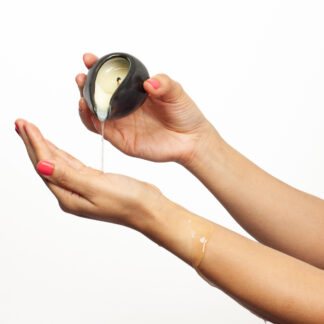
Sadism and Masochism (S&M) Enjoying pain or inflicting it doesn’t always mean leather whips and chains. Even light spanking or rough play falls into this category. Research shows many people enjoy these sensations in a consensual, playful way. This also includes wax play, where slightly hot candle wax adds a playful element. We offer massage candles to support this.
Exhibitionism The thrill of being seen — or the risk of being caught — can be a powerful turn-on. This can be as tame as sending a risqué photo or as daring as a public quickie.
Roleplay Fetishes From “sexy nurse” to “boss and assistant,” roleplay allows partners to explore fantasies in a safe, consensual way. It’s more about psychological escapism than costumes.
Tattoos & Piercings (Stigmatophilia) Body art as a fetish is about power, personality, or symbolism. For some, piercings and tattoos enhance sexual attraction in ways that are deeply emotional or visual.
Hair Fetishes (Trichophilia) Whether it’s long hair, red hair, or a full beard, hair can be a central focus of attraction. In women, this often extends to chest or facial hair in men.
Butt Fetish (Pygophilia) Our culture is obsessed with the derriere — from music lyrics to fitness trends. The growing focus on curves has given this fetish mainstream status.
Porn Fetish (Pictophilia) While not all porn use is fetishistic, some individuals are turned on simply by watching — not necessarily the content, but the act of watching something taboo.
Age Gap Fetishes (Cougars and Manthers) Being attracted to older (or younger) partners isn’t just about experience — it can also reflect emotional dynamics, confidence, and role reversal.
Fetishes You Probably Didn’t Know Existed
While some fetishes are widespread, others are more niche — and often misunderstood. Here are some of the more obscure but fascinating examples:
Agalmatophilia Arousal from statues, dolls, or mannequins. Often tied to the fantasy of the “perfect, silent partner,” this fetish explores themes of control and idealisation.
Melolangnia Sexual arousal from music. This goes beyond mood-setting playlists — for some, certain melodies or rhythms trigger intense physical responses.
Frotteurism A non-consensual fetish involving rubbing against strangers in public. While illegal and harmful, it’s important to understand that some people struggle with these urges and require therapeutic intervention.
Forniphilia This fetish involves treating a partner like a piece of furniture — such as using them as a table or chair. It’s commonly seen in BDSM communities and plays with themes of control and endurance.
Yeastiality Arousal linked to dough, bread, or yeast-based products. Some connect the warmth, softness, or fermentation process to their fantasies.
Emetophilia A fetish involving arousal from vomiting. Rare and often misunderstood, it’s an example of how deeply psychological and sensory experiences can entwine.
Klismaphilia Arousal from enemas. While rooted in physical sensation, this fetish can also reflect a desire for cleansing, submission, or taboo-breaking.
Salirophilia Attraction to soiling or “messing up” someone considered attractive — for example, smearing makeup or tearing clothes. This fetish is about disempowerment in a consensual context.
Dacryphilia Arousal from witnessing tears. For some, seeing someone cry evokes a deep emotional intimacy — turning vulnerability into a powerful source of desire.
Formicophilia Sexual pleasure from having insects crawl on the body. Though extremely rare, it’s often rooted in sensations of surrender and the taboo.
The Psychology of Fetishes
According to the Journal of Sex Research, fetishes often form from early imprinting, strong emotional associations, or reinforcement over time. What starts as a fascination can evolve into a recurring sexual stimulus. Importantly, many fetishes are completely healthy, consensual, and non-pathological.
Psychologists like Sigmund Freud once interpreted fetishes as signs of repression, but modern sexology sees them as a normal part of the vast spectrum of human desire — provided they don’t harm others or interfere with daily life.
Everyone has unique turn-ons. Some we’re aware of; others we stumble across unexpectedly. Whether it’s a love for feet or the fantasy of being a living sculpture, fetishes are ultimately about what excites the mind and body. Understanding them without judgment helps us build healthier, more open conversations around intimacy.
Explore Intimacy Without Shame
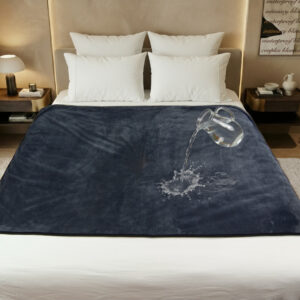
At Banana Passion, we create products that celebrate curiosity, consent, and connection — from absorbent waterproof blankets for all your wildest moments to massage oils that spark sensuality, not mess.
Ready to explore what turns you on without judgment?
✨ Shop our Banana Passion bestselling intimacy products and bring more play into your pleasure.
Whether it’s for a quiet night in, a spicy surprise, or a first-time fetish, we’ve got you covered (literally).
A fetish is a sexual interest in an object, body part, or activity that is not traditionally seen as sexual. It’s common and often harmless when practised consensually.
Are fetishes considered unhealthy?
Most fetishes are completely normal and healthy, as long as they are consensual, legal, and don’t interfere with daily life. If a fetish causes distress, a sex therapist can help.
What are the most common fetishes?
Some of the most common include foot fetishes, lingerie, BDSM elements, exhibitionism, and roleplay. These desires are widely reported across cultures.
Why do people develop fetishes?
Fetishes may develop due to early life experiences, emotional associations, or repetitive exposure to a stimulus that becomes linked to arousal.
Can couples explore fetishes together?
Yes! Open communication, consent, and setting boundaries are key to exploring fetishes as a couple. Products like massage oils, sensual candles, and waterproof blankets can help make exploration fun and mess-free.